
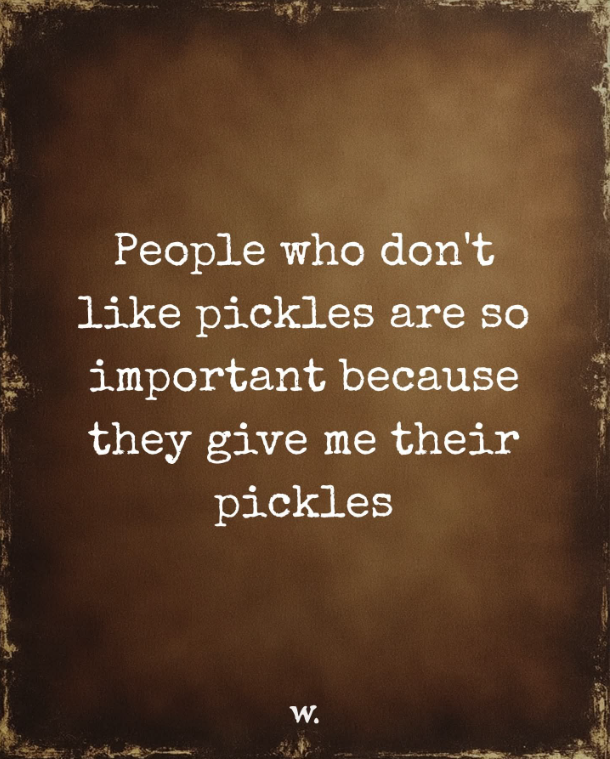
#makinglivedexperiencedmatter #OpenConversations Most of us rarely part with what they actually enjoy. Toys go only when outgrown, clothes go only when they stop fitting, and food gets shared only when someone at the table doesn’t want it in the first place. Giving becomes an exchange of leftovers. Emotions follow a similar pattern. What feels too heavy or confusing inside often gets handed out through tone, expression, or interpretation. Not because anyone intends harm, but because the feeling has nowhere else to go. It’s the emotional equivalent of offering the egg from the biriyani, except this time the “egg” is frustration, fear, or hurt that hasn’t been named. This is why shame shows up across almost every space - child sessions, adult sessions, couples, parents, everyone. Shame tends to travel through families, through culture, through systems shaped by colonisation. Many people carry it for years and pass it forward without realising that the weight didn’t even start with them. The work is to pause long enough to notice: Who handed this feeling down? What form did it take when it reached this generation? What would change if it were held as responsibility rather than punishment, and accountability rather than accusation? Pickles offer a surprisingly helpful metaphor. On their own, they can feel strong or overwhelming. Change the form, and they blend into almost any meal. Shame can be reshaped too. When explored with awareness, it stops spilling into others and starts helping reveal needs, boundaries, histories, and the care that should have been present long ago. Sometimes the work is not to throw the pickle away, not to pass it on, but to understand its flavour well enough that it no longer overpowers everything else on the plate.
