OPEN CONVERSATIONS | Understanding Introspection
June 4, 2025
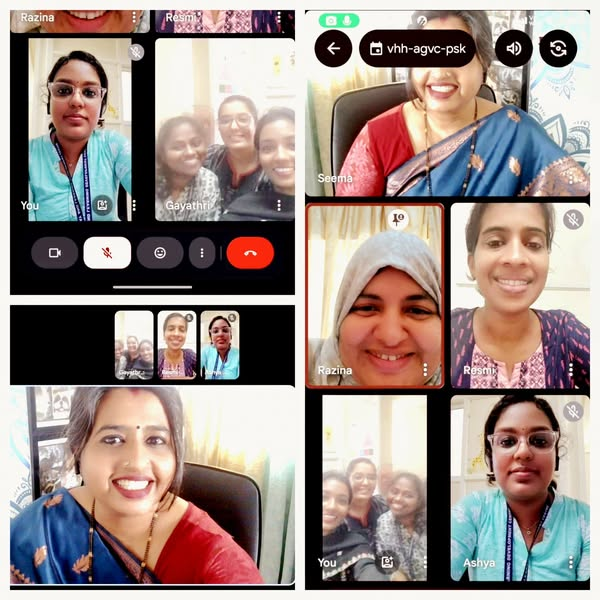
Reflections from a learning space with the thoughtful and engaged team at Seraphic Early Learning Centre, Trivandrum.
Had the privilege of engaging with a young, vibrant, and deeply curious team led by Razina, who asked, reflected, and stayed with the questions until clarity emerged. It’s refreshing when professionals come together not as isolated disciplines, but as shared learners, united by the goal of improving quality of life for children and families.
We explored the autonomic nervous system and how each of us uniquely processes sensory input, emotions, and thoughts, often without realizing how deeply this shapes our daily experiences. At the heart of this is interoception, our ability to sense internal signals like hunger, heartbeat, nausea, warmth, tension, or fatigue.
And here's the deeper challenge:
Many of us as adults don’t yet have the vocabulary to describe what’s happening inside us.
We may say “I’m overwhelmed,” but not know where we feel it or how it shows up in our body.
If we can’t name it in ourselves, how do we support a child in naming what they cannot yet see or speak?
This is where the work begins, with ourselves.
Before we respond to a child’s ‘meltdown’ or ‘withdrawal’, we must learn to pause, notice, and name our own internal states. When we practice this inward connection, we begin to understand just how disorienting it must be for a child who is still learning the very first steps of this internal map.
What we label on the outside as “challenging behaviour” is often a signal of something misunderstood inside.
A child in fight, flight, or freeze may not be “acting out”, they may simply not feel safe.
And when the people around them misread or miss this, it only deepens their confusion and isolation.
So we slow down. We work bottom-up.
1. First, safety in the body
3. And finally, safety to think
Only then is learning possible. Safety first. Trust next. Learning last.
It was beautiful to witness a speech-language pathologist, physiotherapist, psychologist, and special educators sit together, not just in a multidisciplinary (separate roles) or interdisciplinary (collaborative roles) model, but leaning into a truly transdisciplinary approach (shared roles, co-created goals, integrated insights centered on the child’s lived experience). This is where inclusion becomes a lived practice, not just a professional principle.
Together, we do better, when we connect within, listen deeper, and include always.

