
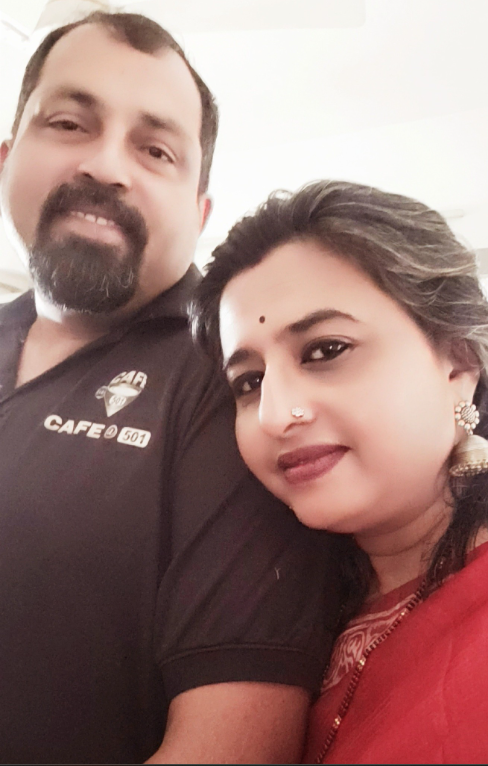
What Safety Really Means When We Speak Up After four days with frontline workers in DV and IPV spaces, listening to heavy, lived realities and holding the weight of what many navigate without support, I came home and sat next to him. And it became clear again that feeling safe with someone is a privilege. A fragile one. An intentional one. The kind that shows itself in how we handle disagreement, not in how smoothly life runs. And that brought me back to how we call out harm. Because the tone we use during conflict is exactly where safety is made or lost. It plays out in so many ordinary spaces. A woman naming gendered harm, but the tone shifts into treating all men as if they’re a single group deserving ridicule. A neurotypical person talking about “discipline,” “routine,” or “consistency” in a way that leaves no space for different nervous systems, different capacities, and different ways of functioning. A pet lover addressing cruelty, but speaking as if anyone who doesn’t know the same information is automatically uncaring. A person who loves fitness implying that someone who moves differently simply lacks commitment, without understanding pain, access, or fatigue. A person proud of writing without AI using that pride to make someone who uses tools, because of neurotype, time pressure, or capacity, feel inadequate. A “healthy eater” judging someone for choosing food that is affordable, accessible, comforting, or culturally rooted. A neurodivergent person, after years of being misunderstood, expressing their frustration in ways that unintentionally shut out neurotypical allies who genuinely want to learn. A meditator or yoga practitioner speaking as though anyone who struggles with those practices is avoiding growth. Someone who journals regularly describing it as the only path to emotional awareness, leaving those who process differently feeling dismissed. People who practise sustainability shaming someone using plastic because alternatives are not available or affordable where they live. And every one of these has a reverse version too because shaming flows in all directions when we’re not paying attention. Across all of this, the issue is not the anger. Anger has a place. Naming harm matters. What breaks safety is the method. When calling out turns into calling down, bodies tense, defences rise, and conversations collapse. Learning cannot happen from inside humiliation. Repair cannot happen when someone feels erased. Safety, whether at home, in advocacy, or in community, is not about sameness. It’s about how we speak when we disagree. It’s about naming hurt without making the other person disappear. It’s about expressing difference without needing someone to shrink. After days of witnessing what the absence of safety looks like, coming home to someone who can hold difference without turning it into a war felt grounding. Safety is not the absence of conflict. Safety is how we move through conflict, how we speak, how we listen, and how we stay.
